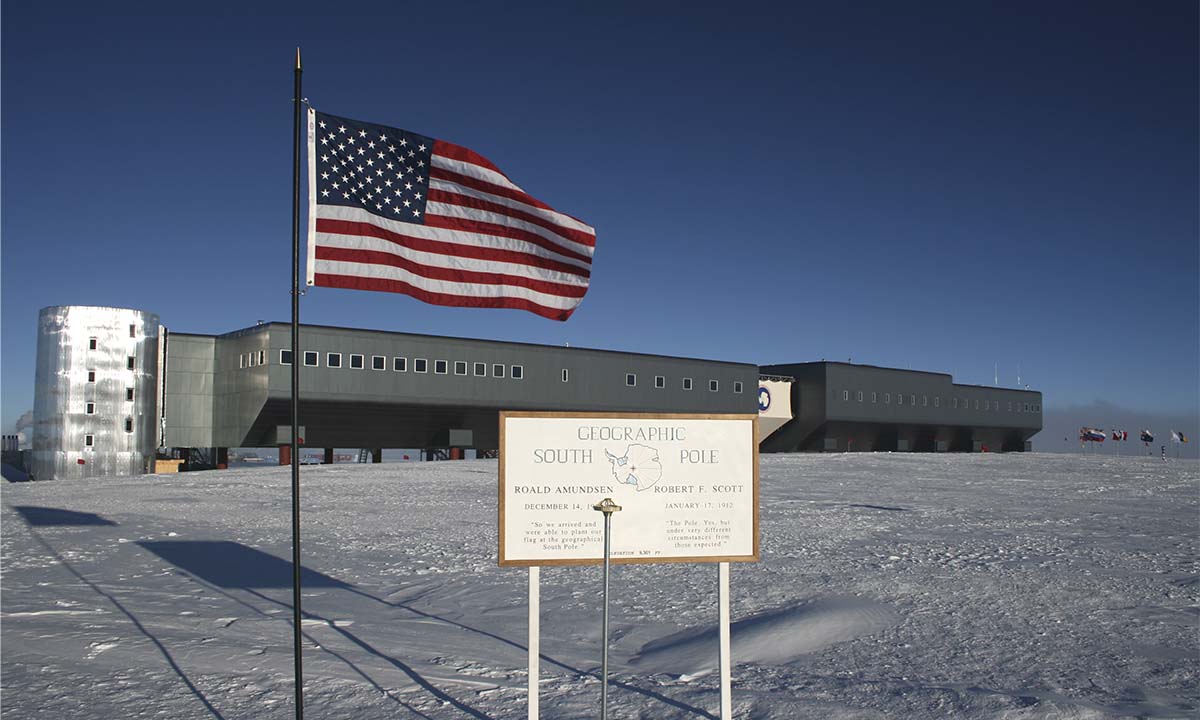
Fighting stereotypes is best done with facts. After reading this article, many people will look at SIP technology in a different way. After all, it was with its help that one of the most extreme structures of the 21st century was built - a research station located in Antarctica, at the southernmost point of the Earth - the South Pole, at an altitude of 2835 m above sea level. The average annual temperature here is about - 49 °C; varies from -28 °C in December to -70 °C in July (the record was -82.8 °C).
In 1998, the American government decided to build a permanent scientific station at the South Pole to accommodate 200 researchers. Previously, two small stations had already worked at this place, but they did not exist for long, then they were destroyed under the influence of weather conditions. Therefore, the engineers were given the task of erecting a structure that would last at least 50 years.
Engineers were given an unlimited budget to choose any technology and materials to take advantage of the latest advances in the construction industry. However, the choice was made on sip-panel technology, which is unique in terms of its characteristics and durability.
The future station was named after the discoverers of the South Pole - Roald Amundsen and Robert Scott.
CONSTRUCTION SITE AT THE SOUTH POLE - IT'S MORE DIFFICULT ONLY ON MARS!
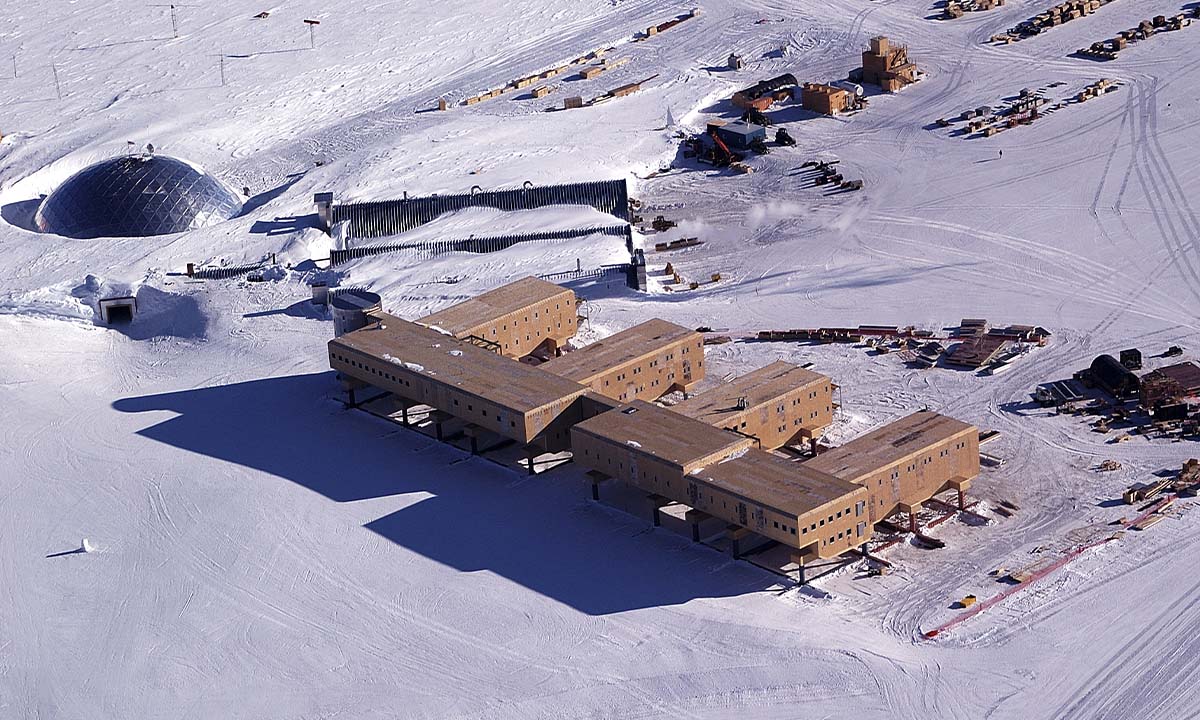
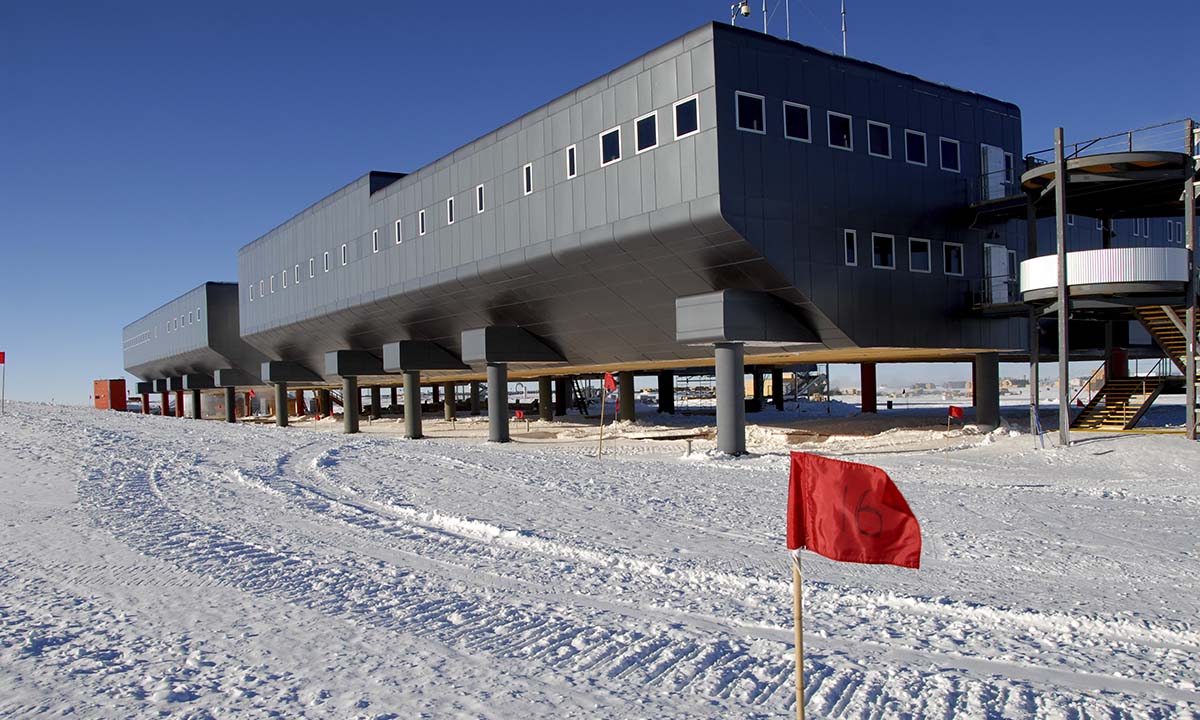
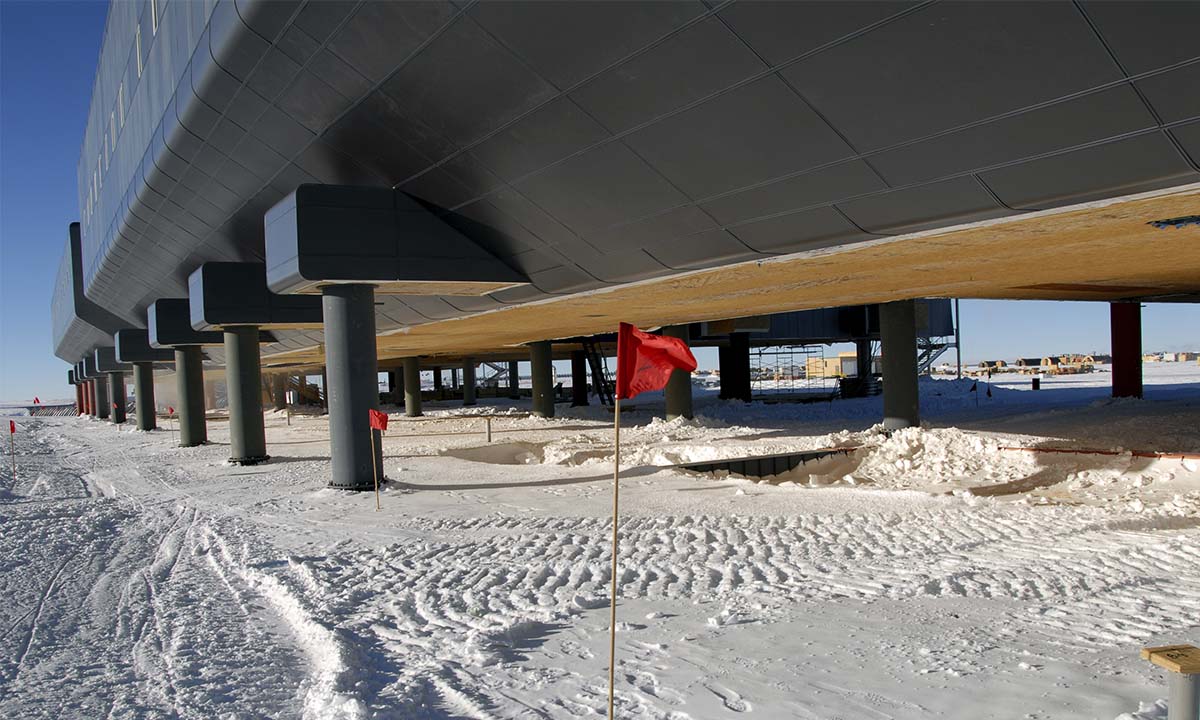
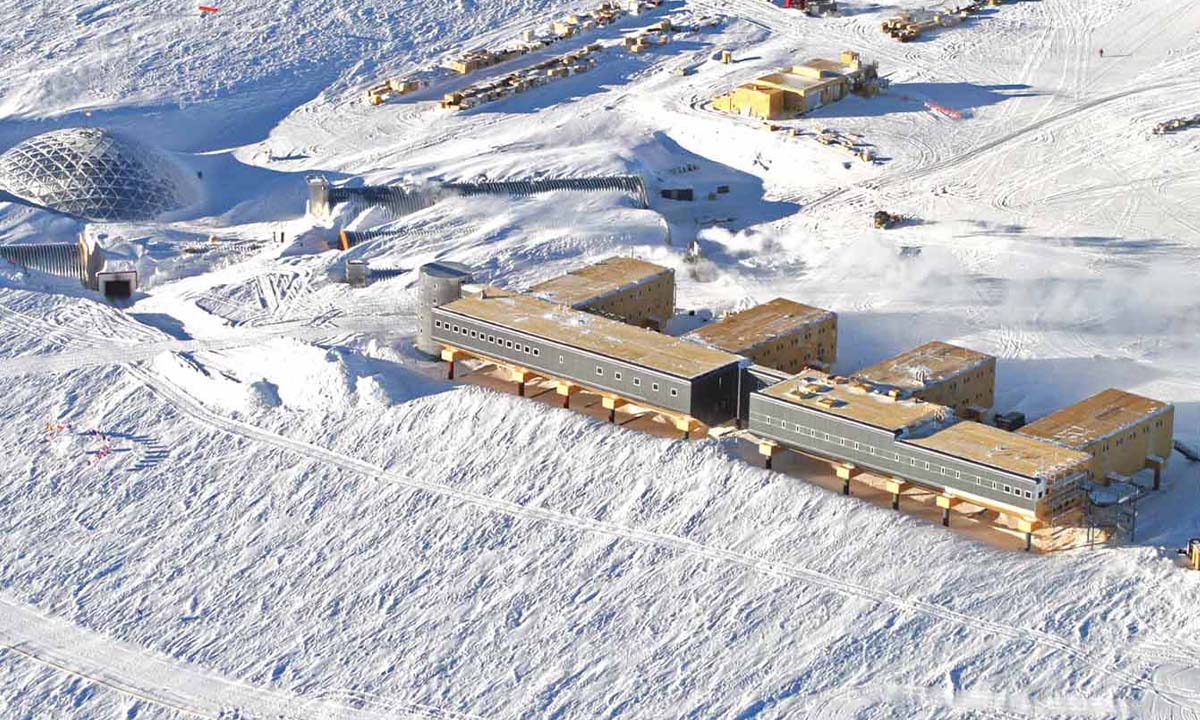
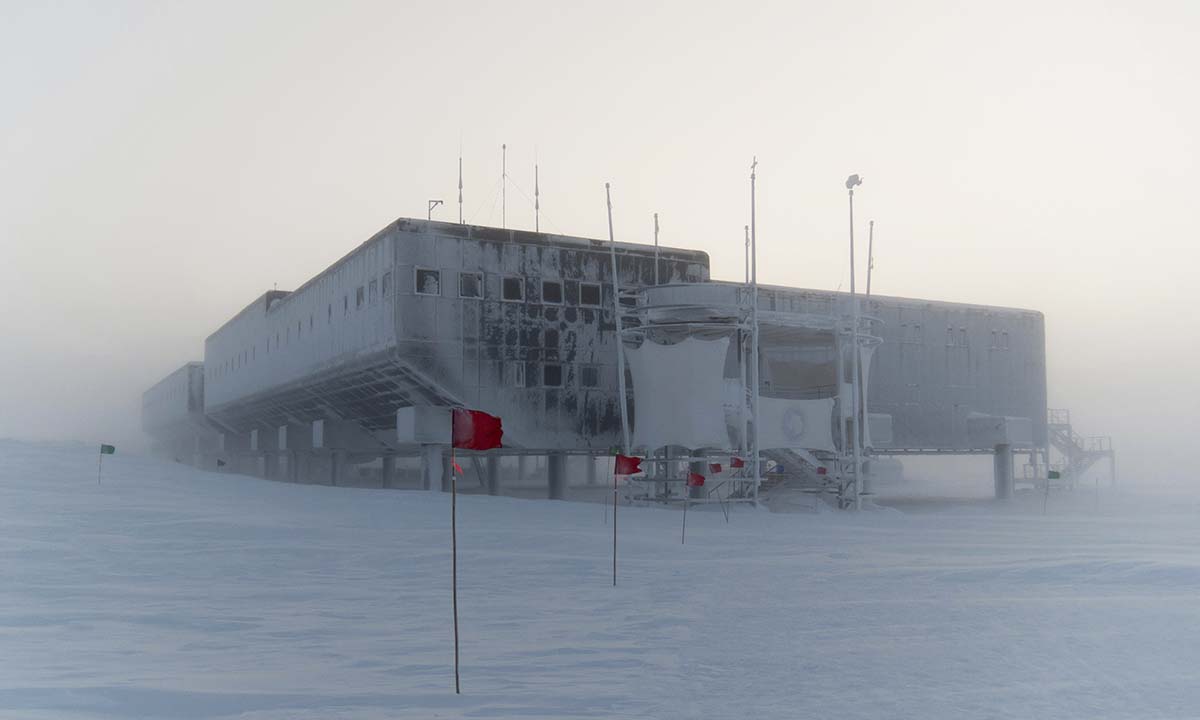
It is difficult to find a place on our planet that is more inaccessible to humans than the South Pole. Here are just some of the problems faced by builders:
- Low air temperature - it often drops below -70°C at the South Pole.
- Strong winds - the construction of the station was carried out in an open place where constant winds blow. The average annual wind speed is 5.5 m/s.
- Constant snowfall - any object on the pole is immediately covered with snow, which never melts. Attempts to remove it with the help of bulldozers in previous years were ineffective and required a huge amount of precious fuel.
- Limited seasonality - the time when construction can be carried out is limited to six months of the polar day, which is replaced by the impenetrable darkness of the polar night, during which any contact with the big land is physically impossible. Therefore, the reliability of the future building was a matter of life and death.
- Logistics - all the necessary materials were delivered from the mainland by ship to the Mac Murdoch station, located on the coast of Antarctica, more than 1000 km from the pole, and from there by Hercules transport planes. Therefore, it is important that the building structures are light enough, and their dimensions correspond to the dimensions of the cargo compartment of the aircraft.
But the builders successfully coped with the task assigned to them.
WITH SIP PANELS THE IMPOSSIBLE IS POSSIBLE!
In 2008, a new station with an area of 15,000 m2 was officially opened. In fact, this is an autonomous mini-city, which has everything necessary for research work and comfortable living: scientific laboratories, a library, a cinema, a gym, a fitness center, shops and a souvenir shop, a greenhouse for growing vegetables, developed by NASA specialists.
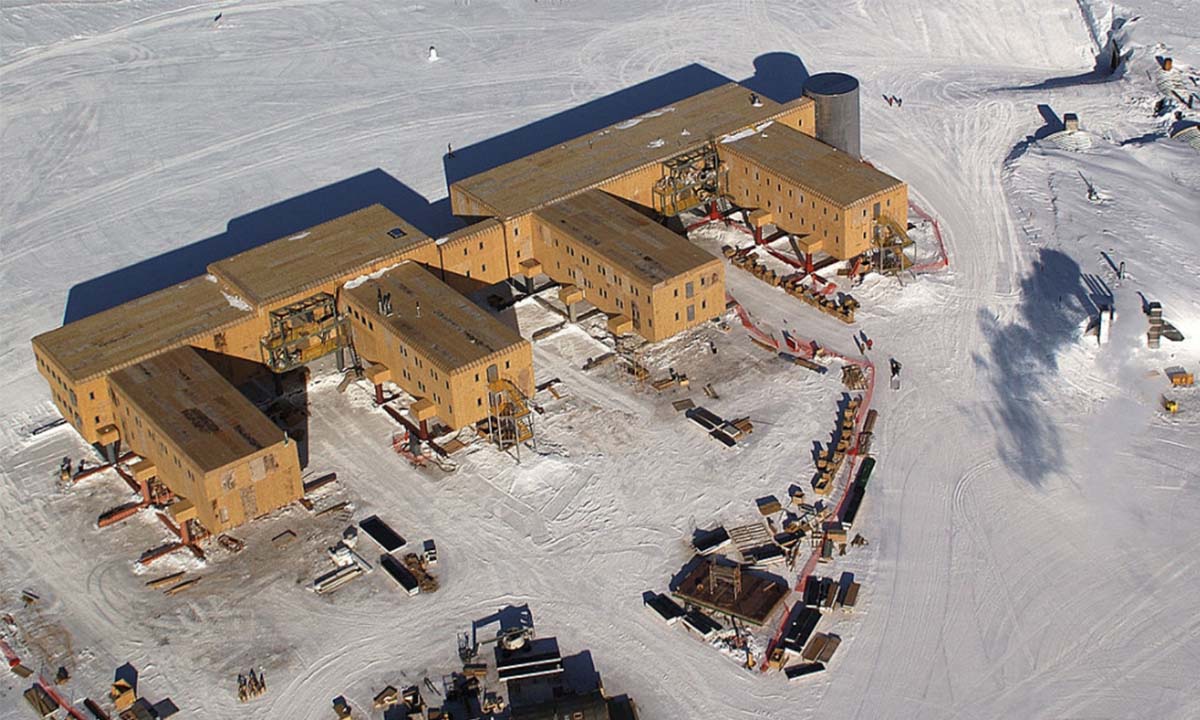
The building is raised above the surface and supported by screw piles and specially designed jacks. They penetrate the multi-meter layer of snow and fix the structure in the ice shield, which is located under the station and is moving towards the ocean at an average speed of 10 m per year. Air currents pass under the building and prevent snow drifts.
As an enclosing structure, the builders used SIP panels, because of all the available materials, they best met the requirements of the project: ease of construction, required strength, high construction speed, maximum heat savings.
The walls, roof and floor of the building are made of sip panels.
The thickness of the panels is one meter, which is currently a record in SIP construction. A little later, the same panels were used in the construction, which is located next to the telescope station and the scientific center for the study of neutrinos - D.A.S.I. Two years later, they were used for the reconstruction of the Mac Murdoch station.